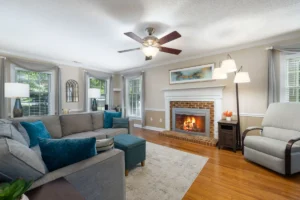
Homes along Trinity Boulevard and the quieter streets off Raider Drive in the 76040 part of Fort Worth were mostly built on slab foundations between the 1980s and the early 2000s. Many of them have now had their first serious water event: a slab leak, a supply line that split during a freeze, or a water heater that quit in the hall closet. Once the water is gone, the harder question starts. What do you tear out, what can stay, and how do you turn a wet mess into the remodel you actually wanted?
- Key Takeaways
- What should happen before any rebuilding starts?
- How do you know the slab and walls are really dry?
- Which materials should go and which can stay?
- Does a water damage remodel need a permit in Fort Worth?
- How does the rebuild go, step by step?
- Should you replace old plumbing while the walls are open?
- Can the remodel protect you from the next freeze?
- What homeowners near Trinity Boulevard usually run into
- Planning Your Home Remodel in Fort Worth?
- FAQ
- Home Remodeling help near Fort Worth
Key Takeaways: How Do You Remodel After Water Damage
- Dry first, build second: new finishes over a damp slab or wet framing fail within months.
- Speed matters in week one: the EPA advises drying wet materials within 24 to 48 hours to limit mold growth.
- Test, don’t guess: a moisture meter reading, not a dry-looking surface, decides when rebuilding starts.
- Open walls are an opportunity: swapping aging supply lines costs far less now than after the tile goes back on.
- Permits still apply: plumbing, electrical and framing changes are inspected even when the job started as a repair.
What should happen before any rebuilding starts?
Stop the water, document everything, and dry the structure before a single new board goes in. That order never changes, and skipping ahead is the most expensive mistake crews see.
Shut off the supply at the main or the fixture, photograph every affected room from the doorway and up close, and call your insurer the same day. Your agent will want the photos, a rough list of damaged items, and the plumber’s findings on the cause.
Then comes drying, which often adds one to two weeks in a humid month. Fans and dehumidifiers run for days, and baseboards usually come off so air can reach the bottom plate of each wall. In a slab home near South Pipeline Road West, the slab itself often holds water under the flooring long after the carpet feels dry. Patience here protects everything you build later.
Only after drying is complete does the home remodeling service in Fort Worth conversation begin. By then you know the true scope, the insurer knows the claim, and you can decide whether to put the room back as it was or improve it.
How do you know the slab and walls are really dry?
You don’t know by looking. A moisture meter reading on the framing, drywall and slab, taken on more than one day, is the only honest answer.
Many homes in this part of Fort Worth sit on slabs poured over clay soil that swells when wet and shrinks when dry. That movement can open hairline cracks, which is one reason slab leaks show up in homes from this era. Water that enters under the slab can wick up into interior walls, so the damp zone is often wider than the stain suggests.
Drywall that reads high stays open. Framing that reads high keeps drying. Subfloor and slab readings matter most where tile or wood flooring will go, because a sealed floor traps moisture underneath and the finish lifts within a season.

Which materials should go and which can stay?
Porous materials that got wet usually go; dense, non-porous materials that dried quickly can often stay. The table below is a general guide, not a rule for your house, because the type of water and the time it sat matter as much as the material.
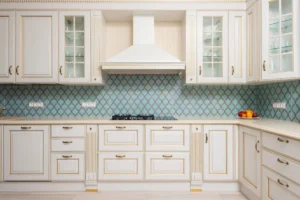
Lower cabinets deserve a careful look. The toe kick and back panel soak up water first, and a box that looks fine from the front can be soft behind the dishwasher. If the kitchen was already on your wish list, this is where a repair quietly turns into a kitchen remodel in Fort Worth that you control, instead of one the water chose for you.
Ready to Rebuild After Water Damage in Fort Worth?
Wet drywall and a soft floor do not fix themselves. We meter the walls, write a clear scope and rebuild it right for homes around Trinity Boulevard.
Does a water damage remodel need a permit in Fort Worth?
In general, yes, once the work goes beyond cosmetic repair, even when the job started as an insurance claim. Replacing drywall and paint alone often does not trigger one, but moving or replacing plumbing, electrical or structural framing is permitted and inspected through the City of Fort Worth. Requirements vary and change, so the exact answer depends on your scope.
The practical part is simple for you. A remodeler set up for permitted work handles the application, schedules the inspections and meets the inspector on site. Our team carries the insurance the cities require for permits, and project manager John Tavera works alongside owner Cristian Quimbayo to keep inspection dates on the schedule so drywall never goes up a day early.
How does the rebuild go, step by step?
Think of it as six stages. Each one has to finish honestly before the next can begin.
Should you replace old plumbing while the walls are open?
If the home still has its original lines, usually yes. The wall is already open, the drywall is already coming out, and the labor to swap a supply line now is a fraction of what it costs later.
Many homes in this part of Fort Worth, and in nearby Euless and Hurst, were built before the mid 1990s and still carry cast iron drains under the slab, sometimes with galvanized or early plastic supply lines in the walls. Cast iron rusts from the inside until a channel opens along the bottom; galvanized narrows until the pressure drops. A leak in one spot often means the rest of the run is close behind.
During a remodel after a leak, a camera inspection of the drain lines and a look at the water heater age and the main shutoff are worth the small cost. If a second failure is likely within a few years, fixing it inside the same project protects the new finishes you are about to pay for. This is a plumber’s call, not a guess.
Fix the Pipes Before the Next Freeze Hits
Open walls are the cheapest moment to replace aging lines in your Fort Worth home. Ask us to look at the plumbing while the drywall is off.
Can the remodel protect you from the next freeze?
Yes, and November is the right month to think about it. The first hard freezes in North Texas usually arrive between late November and January, and a wall that is open now can be insulated and re-piped so the next one passes without drama.
Pipes in exterior walls, attic runs and the line to a hose bib are the usual culprits. While the wall is open, move supply lines to interior walls where possible, add insulation around any that must stay on the outside, and seal the gaps where cold air reaches the pipe. A frost-proof hose bib and a foam cover are cheap insurance.
Summer matters as well. Texas humidity pushes moisture into any wall that is not sealed, so new drywall needs proper primer and bathrooms need exhaust fans that vent outside, not into the attic. Our Fort Worth home remodeling service plans for both extremes so the rebuild is one you only pay for once.
What homeowners near Trinity Boulevard usually run into
The most common surprise is scope that grows from hidden water. A kitchen leak that looked contained to the sink base turns out to have run along the slab under the laminate and into the dining room. Crews find it when the flooring comes up. A contingency in the budget from day one makes that moment far less stressful.
Second is the gap between the insurer’s scope and what demo reveals. Adjusters write from photos and a short visit; the crew finds soft framing after the drywall is off. A written supplement with photos usually resolves it, but it can take a week or two, and the schedule has to allow for that.
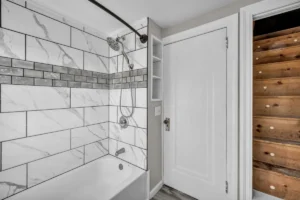
Third is the “while we’re here” decision. Homeowners around Raider Drive and South Pipeline Road West often choose to open the kitchen to the living room, swap a tub for a walk-in shower, or replace flooring throughout so new and old match. Those are good decisions when they are made on purpose, with a clear line between the insured repair and the upgrade you pay for yourself.
Planning Your Home Remodel in Fort Worth?
Water damage is a rough way to start a project, but it can end with a home that is drier, better piped and nicer to live in than it was before the leak. The sequence is what matters: dry, test, scope, permit, rebuild.
Southern Home Remodeling is owner-run, led by Cristian Quimbayo, who has been building across DFW since 2011 and operating under this name since 2016. The team brings more than 40 years of combined experience in construction and construction lending, which helps when an insurance scope and a real-world scope disagree. The office at 1611 W Sanford St near downtown Arlington is about 7.5 km from the Trinity Boulevard area, and we are open Monday through Saturday, 8AM to 6PM.
Schedule Your Free Fort Worth Home Remodel Estimate
From the Arlington office we are a short drive to Raider Drive and South Pipeline Road West. Tell us what the water touched and we will bring the plan.
Book a free in-home estimate for home remodeling in Fort Worth and we will bring the moisture meter. To see how a project runs from first visit to final walkthrough, read through our remodeling process or the remodeling FAQ before we meet.
FAQ
Home Remodeling help near Fort Worth
Southern Home Remodeling works throughout Fort Worth, including the Fort Worth area around Raider Drive and South Pipeline Road West. Projects in 76040 are permitted and inspected through the City of Fort Worth, and our team handles that paperwork as part of the job.
Our office at 1611 W Sanford St, Arlington, TX 76012 is about 4.7 miles from Fort Worth, so an in-home estimate is easy to schedule. Call 817-330-9499 or use the estimate button below.
Service page for this area: Home Remodeling in Fort Worth. City guide: home remodeling in Fort Worth.