Most remodeling projects don’t fail because of bad taste or bad luck. They fail because of a handful of predictable, avoidable mistakes that catch homeowners off guard every single time. If you own a 1990s or early-2000s tract home near Cooper Street or anywhere along the DFW Mid-Cities stretch, chances are your house is overdue for some updates, and the last thing you want is to spend serious money only to end up with bigger problems than you started with.
The good news: every mistake on this list is preventable when you know what to look for.
- Key Takeaways
- Mistake 1: Skipping the Permit Process
- Mistake 2: Setting an Unrealistic Budget
- Mistake 3: Hiring the Lowest Bid Without Vetting
- Mistake 4: Changing the Scope Mid-Project
- Mistake 5: Ignoring Structural and Mechanical Issues
- Mistake 6: Choosing Trendy Materials Over Durable Ones
- Mistake 7: Getting the Sequence of Trades Wrong
- Mistake 8: DIY-ing Work That Needs a Licensed Professional
- Ready to Remodel Without the Regrets?
- FAQ
Key Takeaways: Common Remodeling Mistakes
- Permits protect you: unpermitted work can block a future home sale and void your homeowner’s insurance.
- Budget 10-20% extra: a contingency fund for hidden surprises is standard practice on any honest remodel.
- Vet before you sign: license, insurance, and references are non-negotiable when choosing a contractor.
- Sequence matters: structural and mechanical work must happen before finishes. Reversing that order costs double.
- Trends fade, quality doesn’t: durable, timeless materials consistently outperform trendy choices on resale value.
Mistake 1: Skipping the Permit Process
Skipping a required permit is the single most expensive shortcut a homeowner can take. Unpermitted work can stall or kill a home sale, trigger fines, and in some cases require you to tear out finished work so an inspector can verify what’s behind the walls. Permit requirements vary by city and project type, so what’s required in Arlington may differ from what’s needed in Mansfield or Kennedale. Always confirm with your contractor before work starts.
A reputable contractor will pull all required permits on your behalf and schedule inspections at the right phases. If a contractor tells you permits “aren’t necessary” or suggests skipping them to save time, that’s a red flag worth taking seriously. You can learn more about what the permit process looks like for local projects in our guide to bathroom remodel permits in Arlington, TX.
Mistake 2: Setting an Unrealistic Budget
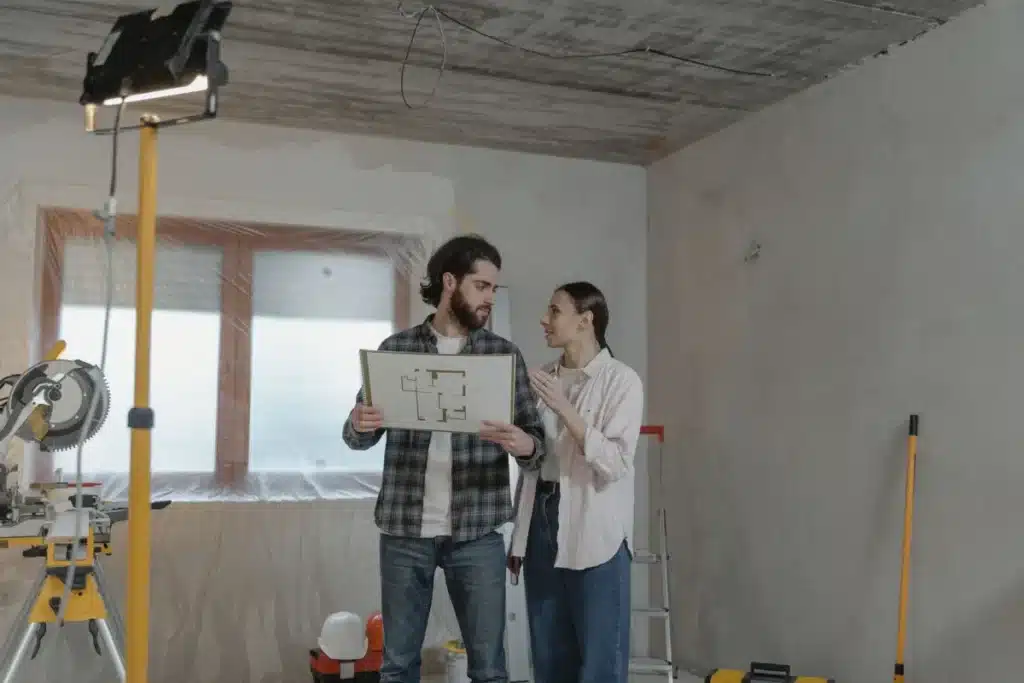
Underestimating the budget is how most remodels turn stressful. Labor, materials, and disposal costs add up quickly, and that’s before any surprises inside the walls. A standard rule of thumb used across the industry is to build in a contingency fund of at least 10 to 20 percent above your estimated total, specifically to cover the unexpected: outdated wiring, water-damaged subfloor, or undersized drain lines that only become visible once demolition begins.
Costs vary widely depending on scope, materials, and the current condition of your home. A detailed in-home estimate is the only reliable number. General online calculators can’t account for what’s specific to your house. Our honest breakdown of kitchen remodel costs in Texas walks through the main variables so you can plan with realistic expectations.
Avoid Costly Mistakes on Your Arlington Remodel
One overlooked permit or an underestimated budget can derail your project entirely. Call 817-330-9499 to book your free Home Improvement estimate in Arlington, TX and plan it right from day one.
Mistake 3: Hiring the Lowest Bid Without Vetting
The lowest quote rarely stays the lowest once the job is done. Contractors who underbid often cut corners on materials, skip permits, use unlicensed subcontractors, or pad the final invoice with change orders once they have your deposit. Before you sign anything, ask every contractor for proof of their license and insurance, references from recent local projects, and a written, itemized contract that specifies materials by brand and grade.
The NARI (National Association of the Remodeling Industry, nari.org) recommends getting at least three written bids for any project over a few thousand dollars and comparing them line by line, not just the bottom number. Our detailed article on how to choose a remodeling contractor you can trust gives you a practical checklist for that process.
Questions to ask any contractor before signing
- Are you pulling the permits and using licensed plumbing and electrical trades? in Texas? Ask for copies, not just a yes.
- Who does the actual work? Will you use your own crew or subcontractors?
- What does this contract NOT include? Exclusions matter as much as inclusions.
- How do you handle surprises found during demo? Get their process in writing.
- Can I see recent work similar to mine? Photos and references from comparable projects.
Mistake 4: Changing the Scope Mid-Project
Scope creep, the habit of adding “just one more thing” once work has already started, is one of the top causes of budget overruns and delayed timelines. Every change order after construction begins costs more than it would have in the planning phase, because work may need to be undone, reordered, or re-inspected. Changing from a standard shower to a walk-in shower after tile work has started can easily double the labor cost for that phase.
The fix is front-loading your decisions. Spend extra time in the planning and design phase making firm choices about layout, fixtures, finishes, and materials before demolition begins. A good contractor will push you to finalize these details early because they know how much mid-stream changes cost everyone.
Mistake 5: Ignoring Structural and Mechanical Issues
Cosmetic updates on top of unresolved structural or mechanical problems are money wasted. Fresh tile over a deteriorating subfloor will crack. New cabinets installed in a kitchen with outdated wiring create a fire hazard. Beautiful flooring laid before a slow plumbing leak is addressed will buckle and warp. These underlying issues aren’t glamorous to fix, but they have to come first.
Texas homes along the I-20 corridor, particularly those built between the 1980s and early 2000s, frequently have aging HVAC systems, galvanized plumbing, or original electrical panels that weren’t designed for modern loads. A thorough pre-remodel inspection surfaces these issues before they become expensive surprises. Our team at Southern Home Remodeling’s home improvement services in Arlington always starts with an honest assessment of what’s behind the walls before recommending any finish work.
Get a Honest Estimate for Your Arlington Home Project
Scope creep and surprise costs are the top budget killers near the I-20 and I-30 corridors. Let Southern Home Remodeling give you a detailed, no-obligation in-home estimate, call 817-330-9499 today.
Mistake 6: Choosing Trendy Materials Over Durable Ones
Design trends move fast, and what looks cutting-edge today can look dated in five years. As of September 2026, several industry voices including the National Association of Realtors have noted that buyers in the DFW market continue to value timeless, functional choices over statement trends that require frequent updating. Choosing materials based solely on what’s popular right now, without considering durability, maintenance, and resale appeal, is a common and costly mistake.
The comparison below shows how some common material choices stack up on the factors that matter most for long-term value:
| Material Choice | Durability | Maintenance | Resale Appeal | Trend Risk |
|---|---|---|---|---|
| Quartz countertops | Very high | Low (non-porous) | Consistently strong | Low |
| Granite countertops | High | Moderate (needs sealing) | Strong | Low |
| Luxury vinyl plank flooring | High | Very low | Strong in mid-market | Low-moderate |
| Bold-color cabinetry | Varies by brand | Moderate | Polarizing for buyers | High |
| Porcelain tile (shower) | Very high | Low-moderate | Broadly appealing | Low |
| Acrylic shower panels | Moderate | Very low | Budget-friendly | Low-moderate |
For a deeper look at how two of the most popular countertop options compare for DFW homes, our honest guide to quartz vs granite countertops breaks it down without the sales spin.

Mistake 7: Getting the Sequence of Trades Wrong
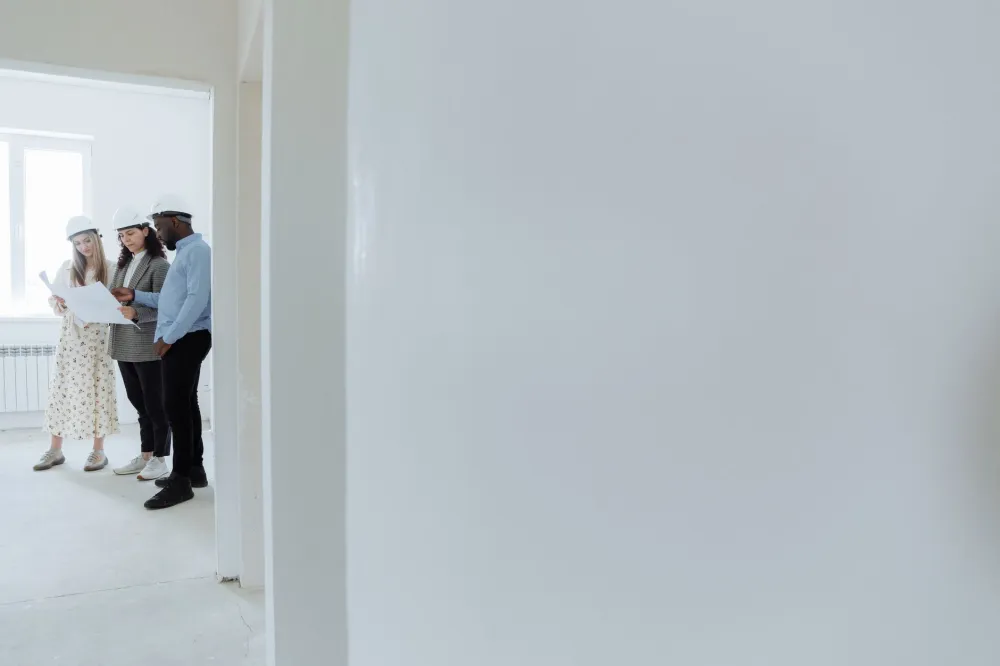
Remodeling follows a specific order for a reason. Structural work comes first, then rough-in, which is the framing, plumbing, and electrical work done inside walls before they’re closed. Next comes insulation and drywall, then finish-out, the interior construction that makes a space look and feel complete: flooring, cabinetry, trim, fixtures, and paint. Reversing or skipping steps in this sequence means rework, which means paying twice.
This is where hiring a professional home improvement contractor in Arlington pays for itself. An experienced project manager coordinates electricians, plumbers, tile setters, and finish carpenters in the right sequence, so each trade’s work is protected by the next. When a homeowner manages multiple trades on their own, scheduling gaps and miscommunication between subs are common and expensive.
Here’s how a well-run remodel typically flows from start to finish:
Mistake 8: DIY-ing Work That Needs a Licensed Professional
There’s real value in knowing what you can safely do yourself and what you can’t. Painting, minor landscaping, and basic fixture swaps are reasonable DIY territory. But anything involving the home’s plumbing system, electrical panel or wiring, load-bearing walls, structural changes, or permitted work is a different category entirely. The gap between a confident amateur and an experienced professional is measured in safety, code compliance, and resale value.
DIY vs. hiring a pro: an honest comparison
| Task | DIY Risk Level | Permit Typically Required | Recommendation |
|---|---|---|---|
| Interior painting | Low | No | DIY-friendly |
| Tile installation | Moderate | Sometimes | Pro preferred in wet areas |
| Plumbing relocation | High | Yes | Licensed plumber required |
| Electrical panel or wiring | Very high | Yes | Licensed electrician required |
| Load-bearing wall removal | Very high | Yes | Structural engineer + pro required |
| Cabinet installation | Moderate | No | Pro recommended for custom work |
The EPA also offers guidance on safe renovation practices for older homes, particularly regarding lead-based paint disturbed during demolition. Their lead-safe renovation resources are worth reviewing if your home was built before 1978.
Ready to Remodel Without the Regrets?
Every one of these mistakes is preventable with the right team, the right plan, and honest communication from the start. Southern Home Remodeling is an owner-run company based at 1611 W Sanford St in Arlington, close to downtown Arlington and well-positioned to serve homeowners throughout Tarrant County and the DFW Mid-Cities. Led by owner Cristian Quimbayo, the company brings years of hands-on remodeling work in DFW, from single-room refreshes to full home renovations.
Whether your home sits off Division Street, backs up to a neighborhood near Globe Life Field, or is part of a subdivision in Mansfield, Kennedale, or Dalworthington Gardens, the team is ready to walk through your space, identify what needs attention, and give you an honest, detailed estimate at no charge. The same trusted approach is also available in Hurst, TX and Bedford, TX for homeowners across the Mid-Cities area.
Check out the project gallery to see the quality of work on homes like yours, and when you’re ready to talk through your remodel, the team is available Monday through Saturday, 8AM to 6PM. Book your free in-home estimate and start your renovation the right way, with a plan, a clear scope, and a contractor you can trust.
Ready to Remodel the Right Way in Arlington TX?
Don't let avoidable mistakes turn your dream renovation into a stressful ordeal. Southern Home Remodeling's team is ready to help, call 817-330-9499 to schedule your free Home Improvement estimate in Arlington, TX.
FAQ
Keep exploring
- Home Improvement in Arlington, TX
- How to Choose a Remodeling Contractor You Can Trust
- Best Home Improvements for Resale Value in Arlington, TX