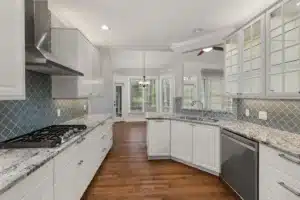
Most kitchens in the Dallas-Fort Worth area were built for a different era, and if yours still has honey oak cabinets, laminate counters, and a single overhead light fixture, you’re definitely not alone. The good news? Homeowners are making smarter, more livable updates right now than we’ve seen in years, with a genuine focus on function over flash.
In this guide
What Kitchen Choices Are Homeowners Actually Making Right Now?
Real renovation trends come from what’s actually happening in homes, not from magazine spreads. Right now, several clear patterns are showing up across kitchen remodels of all sizes and budgets.
Two-tone cabinetry is gaining real traction. Many homeowners pair warm wood-look lower cabinets with lighter upper cabinets, creating depth without the heavy or overly trendy feel that dates quickly. There’s a practical side too: upper cabinets show dust and lighting wear differently than base cabinets, so the visual contrast actually makes sense.
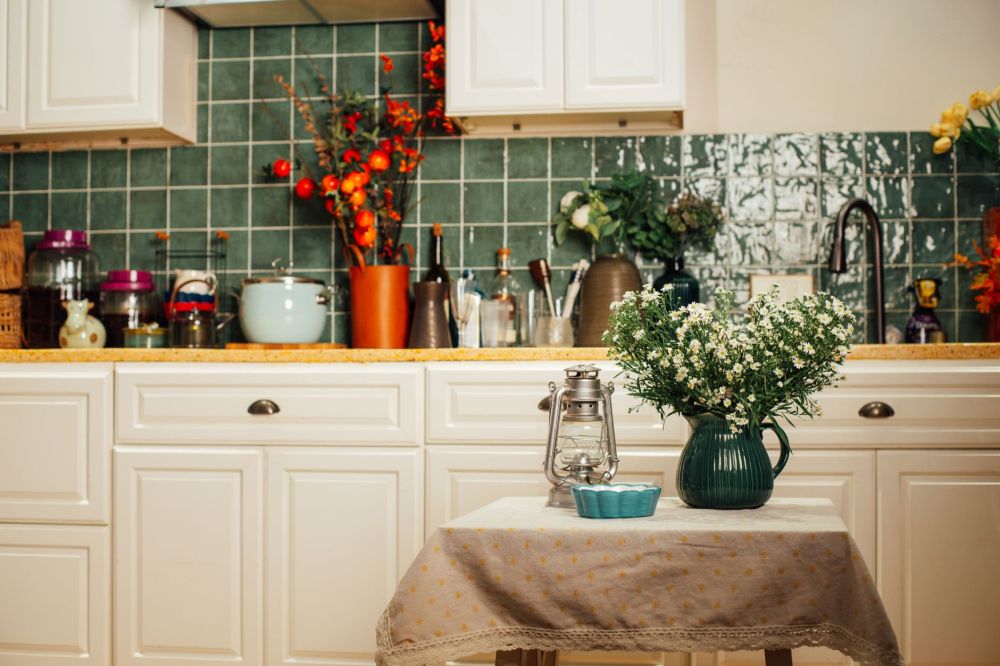
Warm, earthy tones are replacing the all-white kitchen that dominated the 2010s. Sage greens, warm greiges (a blend of gray and beige), and terracotta-adjacent tones show up in cabinetry, tile, and appliance finishes. The shift makes sense: stark, cool kitchens can feel clinical in a room where your family gathers multiple times a day, every day.
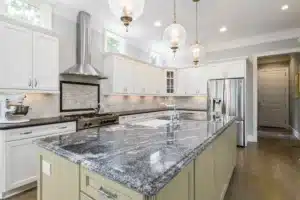
Multifunctional islands are another standout. Rather than a simple prep surface, homeowners are adding built-in seating, hidden charging stations, and dedicated storage zones for appliances that used to clutter countertops. For Texas families using the kitchen as a homework zone, snack hub, or weekend entertaining centerpiece, this kind of purposeful design makes a real difference.
Smart storage solutions are getting serious attention. Pull-out pantry drawers, deep drawer organizers, and custom cabinetry built around real cooking habits are major motivators for homeowners finally moving forward with a remodel. It’s less about Instagram-worthy aesthetics and more about never losing a spatula again.
Which Trends Actually Work for Arlington Homes?
Not every national trend fits a North Texas home. Arlington and surrounding communities like Mansfield, Grand Prairie, Kennedale, and Pantego are full of 1980s and 1990s tract homes and ranch-style houses with kitchens designed before open-concept layouts became standard. That context matters when you’re filtering trends through a practical lens.
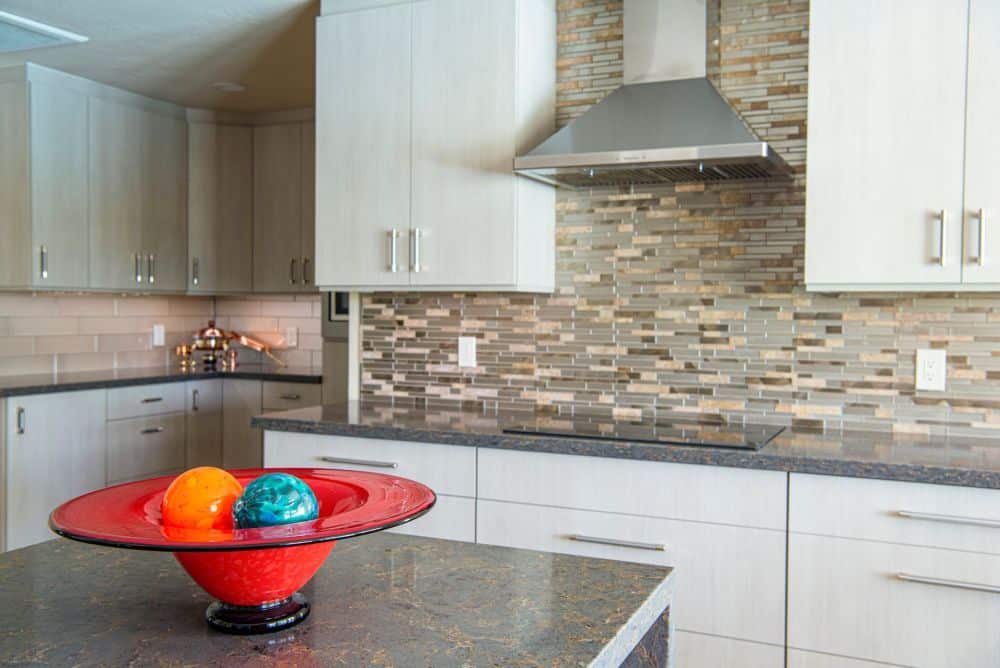
Warmer color palettes fit the DFW lifestyle perfectly. Texas summers are intense, and a kitchen bathed in cool grays and stark white can actually feel uninviting during the months you’re spending most of your time indoors. Warmer tones in cabinetry and backsplash tile photograph well and feel welcoming without being heavy, which matters if resale value is on your mind in a competitive Tarrant County market.
The island trend is almost custom-built for the open-concept floor plans common along the I-20 and I-30 corridors. Many homes here have kitchens that open toward living or dining spaces, and a well-planned island can anchor that transition beautifully. Keep in mind that adding an island where one doesn’t exist requires careful planning around traffic flow, electrical outlets, and possibly plumbing if you want a prep sink. Requirements vary by city, so a licensed contractor can walk you through what your specific home needs.
Durable materials matter more in Texas kitchens than most homeowners realize. The humidity swings between a blazing August and a wet February can wreak havoc on materials that look great in a showroom but buckle or stain in real conditions. Quartz countertops remain a smart choice because they resist staining, don’t require sealing like natural granite does, and hold up well under daily family use. Porcelain tile, luxury vinyl plank (LVP) flooring, and semi-custom cabinetry with dovetail-joint drawers are all solid investments in the current remodel landscape.
What Trends Should You Skip?
Not everything making rounds on design platforms is a smart investment for your home. Some popular-looking choices can actually reduce a home’s appeal or longevity. The common thread: trends that sacrifice function for aesthetics, or that require constant maintenance to look good, tend to age poorly.
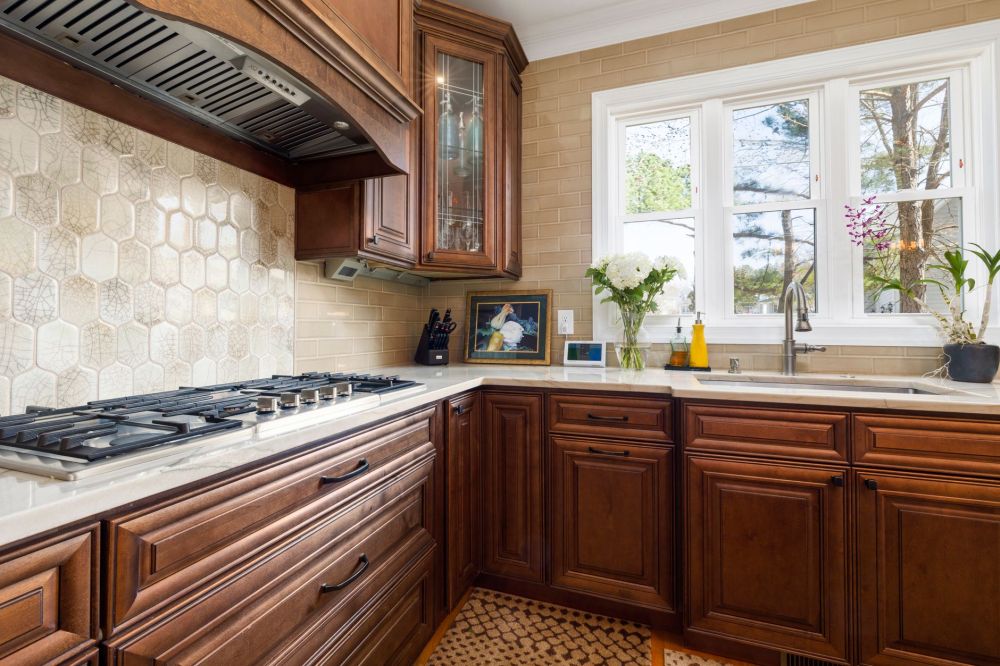
Open shelving is a prime example. It looks stunning in staged photos and social media posts, but in a working Texas kitchen it collects grease, dust, and clutter faster than most homeowners anticipate. It works well as an accent in one zone, but replacing all upper cabinets with open shelves is a decision many homeowners regret within a year or two.
Extremely trendy hardware finishes are another caution flag. Certain brushed metals cycle in and out of fashion every few years, and what’s hot now might look dated in five years. The National Kitchen and Bath Association (NKBA) generally advises choosing finishes that have shown staying power over several design cycles. Matte black, brushed brass in warm tones, and satin nickel have all held strong, while some newer finishes burn out quickly.
The practical takeaway: use trends as inspiration, not as a checklist. The best kitchen remodel for your home solves real problems first, then incorporates design choices that make you happy every single day.
How Does a Kitchen Remodel Actually Unfold?
If you’ve never been through a kitchen renovation, the process can feel overwhelming before it starts. Here’s what to realistically expect.
Most kitchen remodels follow a predictable sequence. Demolition comes first: removing old cabinets, counters, flooring, and sometimes walls if you’re opening up the layout. Next is the rough-in phase, where electricians and plumbers address wiring, outlets, and supply lines before anything gets covered back up. After inspections (which vary by city and scope), the finish work begins: new cabinets, countertops, backsplash tile, flooring, fixtures, and appliances. A punch list review at the end catches anything that needs adjustment before the contractor signs off.
Full kitchen remodels commonly run four to eight weeks, depending on scope, material lead times, and whether structural changes are involved. Smaller cosmetic refreshes, like cabinet refacing or new counters and hardware, can often move faster. You can usually keep living in your home during a kitchen remodel, though you’ll want to set up a temporary food prep area elsewhere and plan for daily disruption.
What Really Drives Kitchen Remodel Costs?
Cost is almost always the first real question, and it deserves an honest answer. Kitchen remodel costs vary widely based on your kitchen’s size, the materials you choose, whether you’re changing the layout, and what gets discovered once walls come open. There’s no single number that works for everyone.
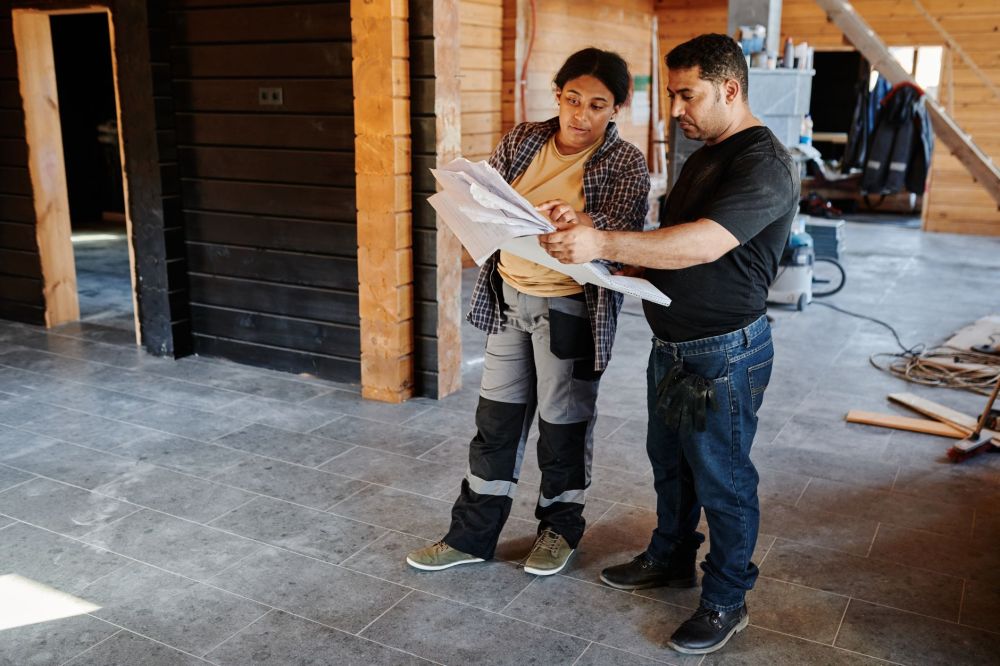
The biggest cost drivers are typically cabinet quality and quantity, countertop material, whether any plumbing or electrical needs relocating, and the labor market in your area. DFW has a competitive but active contractor market, and getting multiple detailed bids from licensed, insured contractors is always smart. Industry research suggests kitchens tend to be strong remodel investments for resale, though the actual return depends heavily on your neighborhood, your home’s baseline value, and the quality of the work.
Our guide on how to remodel a kitchen from start to finish breaks down the full process in plain language for homeowners just starting to plan.
A few questions worth asking any contractor before you commit:
- Are you licensed and insured in Texas?
- Will you pull the necessary permits, and who manages inspections?
- What’s your process when unexpected issues come up during demolition?
- Do you use subcontractors, and how are they vetted?
- How do you handle material selections and lead times in your project timeline?
These questions separate contractors with clear processes from those improvising as they go. And if a contractor can’t answer confidently, that tells you something important.
If you’re thinking about updating other spaces while you’re in remodel mode, check out our bathroom remodeling in Arlington, TX page and our outdoor remodeling services. Many homeowners find it cost-effective to bundle projects when a contractor is already on-site.
Ready to Start Your Kitchen Remodel in Arlington, TX?
Southern Home Remodeling is a licensed, insured, family-owned company founded in 2011 by Cristian Quimbayo and John Tavera, with over 40 years of combined construction and DFW industry experience. The team is based at 1611 W Sanford St in Arlington, just off West Sanford Street near downtown Arlington and the North Cooper Street corridor, and works with homeowners throughout Arlington, Mansfield, Grand Prairie, Kennedale, Pantego, Dalworthington Gardens, Rendon, and the broader Dallas-Fort Worth Mid-Cities area.
Whether you’re renovating a 1990s ranch home or updating a newer build closer to State Highway 360, the process starts with a free in-home estimate. You’ll talk through layout ideas, material preferences, and your realistic budget range with zero pressure. Call 817-330-9499 or visit the Arlington, TX home remodeling page to request your free consultation. The team is available Monday through Saturday, 8AM to 6PM.
Southern Home Remodeling also proudly serves homeowners in Hurst, TX and Bedford, TX, bringing the same hands-on approach and honest estimates to neighbors throughout the Mid-Cities area.