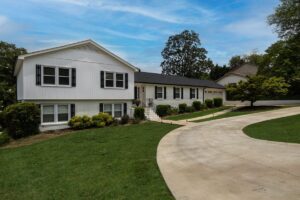
Nearly 90 percent of adults over 65 want to stay in their own home as they age. But most homes built in the 1980s and 1990s, the era that shaped Hurst’s residential neighborhoods, were never designed with that goal in mind. Narrow doorways, step-in showers, high cabinet shelves, and slippery floors can turn a comfortable house into a daily obstacle course.
The good news? You don’t have to move. Targeted home improvement work focused on aging-in-place modifications can make your Hurst home safer, more comfortable, and ready for the years ahead without gutting it or spending a fortune.
In this guide
- What Does Aging-in-Place Home Improvement Actually Involve?
- Why Hurst Homeowners Are Prioritizing This Right Now
- Which Modifications Give You the Most Day-to-Day Impact?
- What’s the Typical Process From First Call to Finished Project?
- What Affects the Cost of Aging-in-Place Home Improvement?
- Can You Stay in Your Home During the Work?
- Questions to Ask Any Remodeling Contractor Before You Hire
- When This Type of Project Makes the Most Sense
- Ready to Start Your Aging-in-Place Home Improvement in Hurst?
- FAQ
What Does Aging-in-Place Home Improvement Actually Involve?
Aging-in-place home improvement means making changes to your current home so it continues to work for you as your needs change over time. It’s not a single project. It’s a category of targeted modifications that address mobility, fall prevention, and everyday ease of use.
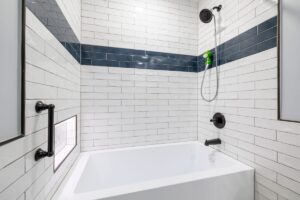
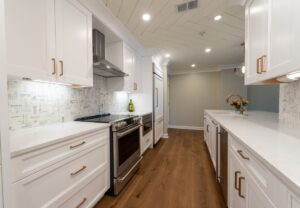
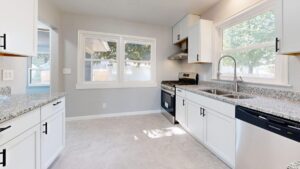
For most Hurst homeowners, the work clusters around a few key areas. The bathroom is usually the first priority, since it’s the most common place for home falls. The kitchen is a close second. Entryways, hallways, and bedrooms round out the typical scope.
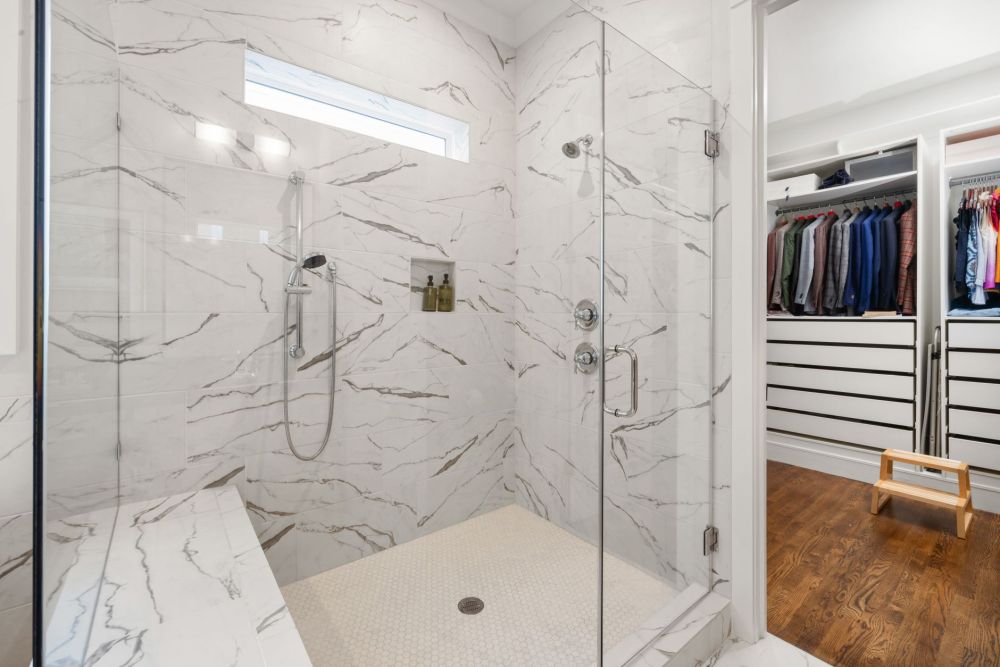
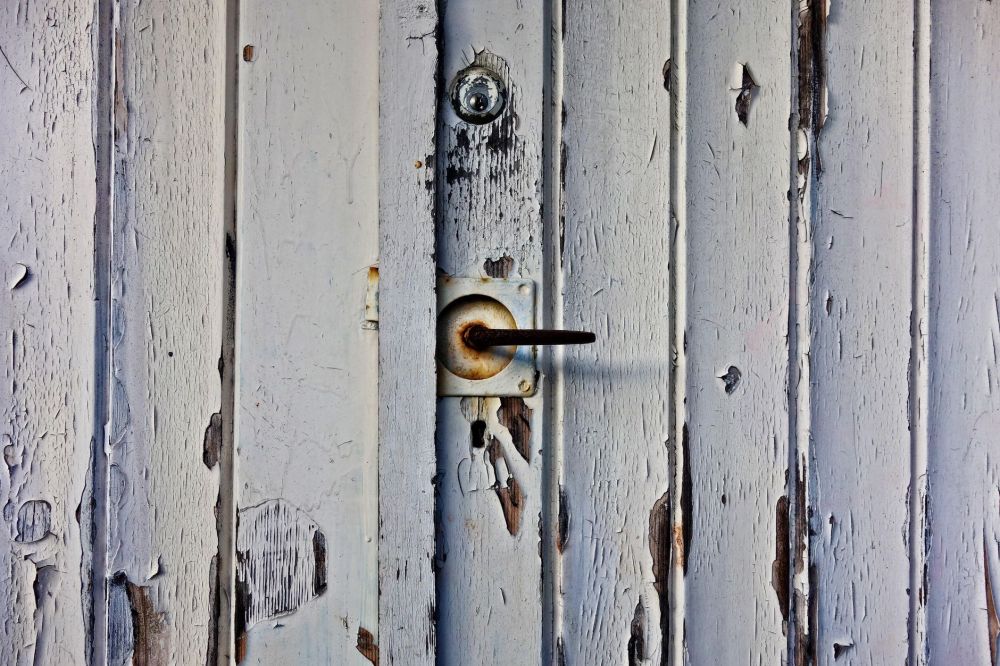
Some modifications are relatively small: swapping round doorknobs for lever-style handles, installing rocker light switches at accessible heights, or adding grab bars near the toilet and shower. Others are more involved, like converting a standard tub-and-shower combo into a curbless walk-in shower with a built-in bench, widening a doorway to accommodate a walker or wheelchair, or relocating an electrical outlet to a more reachable position. The right mix depends entirely on your home’s current layout and the specific needs of whoever is living there.
Why Hurst Homeowners Are Prioritizing This Right Now
Hurst sits in the heart of the HEB Mid-Cities corridor, bordered by Euless to the west, Bedford to the east, and North Richland Hills just up Precinct Line Road. It’s a mature community where a large share of the housing stock dates from the late 1970s through the mid-1990s. Most homes here share similar limitations: standard 28-to-30-inch interior doorways, single-story or split-level layouts, and bathrooms designed for function over accessibility.
As more Hurst families find themselves caring for aging parents or planning for their own futures, the real question isn’t whether to modify the home. It’s which modifications to tackle first and who to trust with the work.
Texas summers add another layer. The DFW heat is genuinely demanding, and for older adults, trips outside in July heat carry real health risks. Staying home comfortably isn’t just a preference. In many cases, it’s a health decision.
Which Modifications Give You the Most Day-to-Day Impact?
Not every modification carries equal weight. Here’s a practical comparison of common aging-in-place upgrades, what they address, and their relative complexity:
| Modification | Primary Benefit | Typical Complexity |
|---|---|---|
| Grab bar installation | Fall prevention near toilet and shower | Low to moderate |
| Curbless shower conversion | Eliminates step-over hazard, easier wheelchair access | Moderate to high |
| Doorway widening | Wheelchair and walker clearance (typically 36 inches) | Moderate |
| Non-slip flooring | Reduces slip risk on hard surfaces | Low to moderate |
| Lever-style hardware | Easier operation for limited grip strength | Low |
| Comfort-height toilet installation | Easier sit-to-stand transitions | Low to moderate |
| Kitchen cabinet accessibility upgrades | Reduces reaching and bending hazards | Moderate |
| Improved lighting throughout | Reduces low-visibility trip hazards | Low |
A full accessibility assessment of your home will help you prioritize these in order of urgency and budget. That’s typically where the process begins.

What’s the Typical Process From First Call to Finished Project?
The process for aging-in-place home improvement follows the same sequence as any remodeling project, with one important difference: the assessment phase involves understanding the specific person who will be living in the home, not just the rooms themselves.
Step 1: The In-Home Estimate and Walkthrough
This is where everything starts. A contractor comes to your Hurst home, walks through the spaces you want to address, and listens to your concerns. Are there stairs that have become a problem? A shower that’s hard to get in and out of? Doorways that feel narrow? The walkthrough gives the contractor the information needed to recommend specific modifications and put together an accurate estimate. There’s no guessing from photos or square footage formulas.
At Southern Home Remodeling, founded in 2011 by Cristian Quimbayo and John Tavera with over 40 years of combined DFW construction experience, every project starts with a free in-home estimate. It’s the only way to give you a number you can actually plan around.
Step 2: Planning and Material Selection
Once the scope is agreed on, you’ll choose materials and finishes. For bathroom modifications, this might mean selecting non-slip porcelain tile, a fold-down shower bench, a handheld showerhead, and the right grab bar placement. For doorway widening, the focus shifts to structural considerations and matching existing trim profiles. Your contractor should walk you through options at multiple price points so you can make informed decisions.
Step 3: Permits and Pre-Construction
Some aging-in-place modifications require permits, particularly when structural work, plumbing relocation, or electrical changes are involved. Permit requirements vary by city, and Hurst has its own building department processes. A qualified contractor guides you on what’s needed and manages the paperwork. Never skip this step. Unpermitted structural or plumbing work can create problems when you sell the home down the road.
Step 4: Demolition, Rough-In, and Finishes
The build phase follows a predictable sequence: demolition of what’s being replaced, rough-in work (the behind-the-walls plumbing or electrical changes), then finishes, which is the interior construction that makes a bare space move-in ready: tile, fixtures, flooring, trim, paint, and hardware. A focused single-bathroom accessibility project often takes one to two weeks. Larger scopes involving multiple rooms or structural doorway changes typically run longer, depending on what’s found once walls are opened.
Step 5: Punch List and Walkthrough
Before the job is closed out, a final walkthrough identifies any items to correct or finish. This punch list stage is your opportunity to flag anything that doesn’t meet your expectations before the contractor leaves the job site.
What Affects the Cost of Aging-in-Place Home Improvement?
Costs vary widely depending on scope, materials, and what’s discovered once work begins. There’s no single price that applies to every Hurst home. A few key factors drive the range.
The number of rooms involved is the biggest driver. A single bathroom modification project is a very different budget conversation than a whole-home accessibility update covering bathrooms, entryways, a kitchen, and bedroom adjustments. Structural changes, especially doorway widening that involves load-bearing walls, add complexity and cost. Plumbing relocation for a curbless shower conversion involves more labor than a cosmetic fixture swap. Material choices also matter: a basic grab bar costs far less than a decorative model with matching finishes, but both do the same job.
Industry cost-versus-value research consistently shows that accessibility modifications tend to have strong practical returns, especially in markets like the DFW area where an aging-in-place home appeals to a broad segment of buyers. That said, most Hurst homeowners do this work for comfort and safety, not resale math.
The only reliable cost number for your specific home is the one that comes from a detailed in-home assessment. That’s not a sales pitch. It’s just how remodeling works.
Can You Stay in Your Home During the Work?
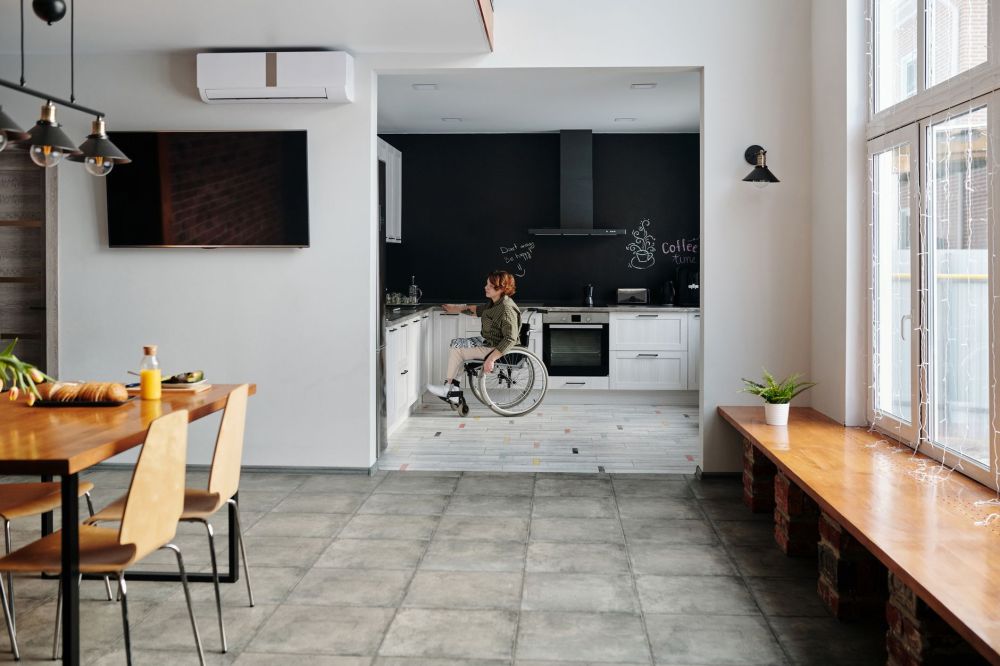
In most cases, yes. Aging-in-place modifications are typically room-specific, which means the rest of your home stays fully livable. A bathroom project might require you to use a different bathroom for a week or two, but daily life generally continues normally. If the scope is larger and involves kitchen work at the same time, your contractor can help you plan a sequence that minimizes disruption.
For older adults or family members with mobility needs, it’s worth discussing with your contractor upfront how the work sequence will be managed so the most essential rooms remain accessible throughout the project.
Questions to Ask Any Remodeling Contractor Before You Hire
Choosing the right contractor matters as much as choosing the right modifications. Here are a few practical questions worth asking any contractor you’re considering for aging-in-place work in Hurst or the surrounding Mid-Cities area:
- Are you licensed and insured in Texas?
- Do you pull permits for the work that requires them?
- Have you done accessibility-focused modifications before, and can you show examples of that type of work?
- What is your process if unexpected issues are found once walls are opened?
- Who is my day-to-day point of contact during the project?
- What does your written estimate include, and what could cause that number to change?
A contractor who answers these questions clearly and without hesitation is worth talking to further. One who deflects or rushes past them is worth walking away from.
When This Type of Project Makes the Most Sense
Aging-in-place home improvement in Hurst makes the most sense when the home’s basic structure is sound and the owner or occupant genuinely wants to stay long-term. If the home has significant deferred maintenance, major structural issues, or the occupant has already decided to move within the next year or two, the investment calculus changes.
It also makes strong sense when the alternative is assisted living or a facility move. Home modification projects often cost a fraction of even a single year of assisted living expenses. That context matters when families are weighing options.
Homes in the Airport Freeway corridor near SH-183 and up toward the North East Mall area of Hurst tend to be solid mid-century to 1990s construction, well-built and worth investing in. Many are single-story ranch-style homes that are genuinely well-suited to accessibility upgrades with relatively straightforward scopes. That’s a meaningful advantage compared to two-story homes where a stair lift or second-floor bathroom becomes part of the conversation.
If you’re researching this for the first time and want more background on the general difference between home improvement and home remodeling, that resource is a good starting point before your first contractor conversation.
Southern Home Remodeling serves Hurst and the surrounding HEB Mid-Cities communities, including Euless, Bedford, and North Richland Hills. The team is familiar with the housing stock along Pipeline Road and throughout the area, which means assessments are grounded in what these homes actually look like inside, not generic national templates. You can also explore home remodeling services in North Richland Hills and home remodeling services in Euless if those communities are closer to you.
Ready to Start Your Aging-in-Place Home Improvement in Hurst?
The first step is simple: get a qualified set of eyes on your home. Southern Home Remodeling offers free in-home estimates for homeowners in Hurst, TX and the surrounding area. There’s no pressure, no commitment, and no guesswork. You’ll leave the conversation knowing what modifications make sense for your specific home, what’s involved, and what a realistic budget looks like.
Call 817-330-9499 Monday through Saturday between 8 AM and 6 PM to schedule your free in-home estimate, or visit the Hurst, TX remodeling services page to learn more. The team is based at 1611 W Sanford St in Arlington, just off West Sanford Street near downtown Arlington, and serves Hurst and the entire Mid-Cities area regularly.
The same experienced team also serves homeowners in Arlington, TX and Bedford, TX at 817-330-9499, so wherever you are in the DFW area, help is close by.